The Thrill of Uncertainty
The allure of casino games often stems from the thrill of uncertainty. This psychological principle is deeply rooted in the concept of risk and reward. When players engage in games where the outcome is unpredictable, they experience a rush of excitement. This anticipation triggers dopamine release in the brain, akin to the feelings elicited by other rewarding behaviors, such as eating or winning in various contexts. As anticipation builds with each spin of a slot machine or card dealt in blackjack, players may discover remarkable insights at caferosa.co.uk that enhance their overall experience, often losing track of time and surroundings.
Moreover, this thrill is amplified by what psychologists refer to as the “gambling fallacy” or “Monte Carlo fallacy.” Here, individuals mistakenly believe that past outcomes will influence future results. For instance, a player may think that after several consecutive losses, they are more likely to win next. This illusion of control can lead to increased betting, as individuals chase their losses, perpetuating their engagement with the games. Consequently, the unpredictable nature of casino games keeps players captivated, often leading them to play longer than initially intended, thereby increasing their overall expenditure.
Cognitive biases also play a significant role in shaping the gambling experience. Many players fall prey to confirmation bias, selectively remembering wins while downplaying losses. This cognitive distortion reinforces the belief that winning is more achievable than it truly is, further entrenching players in the cycle of gambling. The psychological interplay between excitement and cognitive biases highlights how casinos are designed to maximize player engagement and spending through the manipulation of uncertainty, ultimately benefiting the house.
The Role of Environment
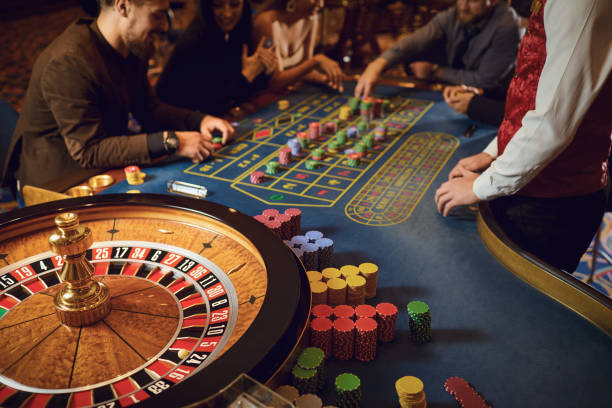
The environment in which casino games are played significantly impacts the psychological experience of players. Casinos are meticulously designed to create an immersive atmosphere that encourages prolonged engagement. Bright lights, engaging sounds, and the smell of delicious food all work synergistically to create an environment steeped in excitement. This sensory stimulation keeps players alert and focused, enhancing their overall experience while also masking the passage of time. The carefully curated ambiance can make players feel as though they have stepped into a realm where excitement is the norm, heightening their sense of enjoyment.
Additionally, the layout of a casino is strategically crafted to enhance the flow of foot traffic. Slot machines and gaming tables are often positioned to create a sense of community and shared excitement among players. This social aspect of gambling can amplify the emotional highs and lows of the game, as individuals cheer on fellow players or share in moments of triumph. Such communal experiences can lead to increased participation, as players feel a sense of belonging within the casino environment. This connection can make the gaming experience more enjoyable, encouraging players to return and engage more frequently.
Furthermore, casinos often capitalize on the concept of “losses disguised as wins.” This tactic refers to situations where players are celebrated for wins that, in reality, do not offset their overall losses. The use of tokens and points systems can create a false sense of achievement, reinforcing the idea that players are on the verge of a significant win. This psychological manipulation serves to encourage ongoing play, drawing individuals deeper into the intricacies of the gambling environment. The illusion of winning, even when losses accumulate, can keep players hopeful and engaged, perpetuating their gaming behavior.
The Psychological Impact of Winning and Losing
The emotional rollercoaster of winning and losing in casino games profoundly influences a player’s psychological state. Winning can instill feelings of euphoria and confidence, often leading players to increase their bets in subsequent rounds. This phenomenon is linked to the concept of “hot streaks,” where players believe they are on a winning trajectory. This psychological state can create a dangerous cycle, as players chase their perceived luck, risking more than they initially intended. The thrill associated with a win often clouds judgment, leading to decisions that may not align with rational thinking.
On the contrary, losing can trigger a range of emotions, including frustration, sadness, and even anger. The immediate feedback loop of gambling, where wins and losses happen rapidly, can heighten emotional responses. Some players might resort to superstitions or change strategies in an attempt to regain control over the situation. This often results in gambling behavior that is reactive rather than strategic, perpetuating the cycle of loss and the desire to recover financially. The emotional toll of losses can lead to increased stress and anxiety, affecting a player’s overall well-being.
Long-term exposure to the ups and downs of gambling can lead to more profound psychological effects, such as anxiety or depression. The gambling experience can skew an individual’s perception of reality, leading them to prioritize short-term gains over long-term happiness. Over time, players may find their relationships, finances, and self-esteem suffer as they chase the highs associated with winning while simultaneously managing the lows that come with significant losses. Recognizing these patterns is crucial for players who wish to maintain a balanced and healthy relationship with gambling.
Strategies Employed by Casinos
Casinos employ a variety of psychological strategies to enhance engagement and encourage spending. One popular method is the use of complex reward systems, where players earn points or rewards for their playtime, which can be exchanged for perks or bonuses. This gamification of the gambling experience not only incentivizes players to spend more time in the casino but also creates a sense of loyalty and affiliation with the establishment. Such programs often lead players to perceive their gambling as part of a larger game, enhancing their overall enjoyment and engagement.

Another tactic involves the implementation of near-misses, particularly in slot machines and electronic games. A near-miss occurs when a player nearly achieves a win, such as landing two out of three matching symbols. These situations trigger a psychological response that keeps players hopeful and encourages them to continue playing. The illusion of being “so close” to winning leads many to believe that their luck is about to change, driving further engagement. This tactic effectively keeps players invested in the game despite the odds often being against them.
Additionally, casinos utilize loss limits and compulsion reinforcement—encouraging players to set budgets but subtly guiding them to disregard those limits in favor of the excitement of the game. By creating environments that normalize extended play and foster intense emotional connections with winning, casinos significantly enhance the likelihood of repeat visits and prolonged play sessions. The strategic design of casino games, combined with these psychological tactics, ultimately serves to maximize their bottom line while keeping players engaged in the process.
Understanding Casino Gambling Behavior
Understanding the psychological factors that drive gambling behavior is essential for both players and industry stakeholders. Awareness of these elements can assist players in making informed decisions, recognizing when they may be losing control, and understanding the consequences of their actions. For example, acknowledging the thrill that comes from uncertainty can help individuals identify when their gambling habits may transform from a form of entertainment into a compulsive behavior. This awareness is crucial for maintaining a healthy balance and ensuring that gambling remains a fun pastime rather than a source of stress or anxiety.
Industry stakeholders, including casino operators and regulators, can use this understanding to promote responsible gaming initiatives. By establishing clear communication about the risks involved with gambling and providing resources for those who may be struggling, they can help foster a safer gambling environment. Initiatives such as self-exclusion programs and educational campaigns can empower players to seek help before their gambling habits become harmful. This proactive approach not only benefits players but also enhances the integrity of the gaming industry as a whole.
Ultimately, the interplay between psychology and casino games is intricate and multi-faceted. As players become more aware of the psychological triggers at play within the casino environment, they can cultivate a healthier relationship with gambling. Recognizing the elements that encourage excessive play can aid individuals in maintaining balance and ensuring that their gaming experiences remain enjoyable and within their control. By understanding the psychological aspects of gambling, individuals can make more informed choices and enhance their overall gaming experience.
